Cart
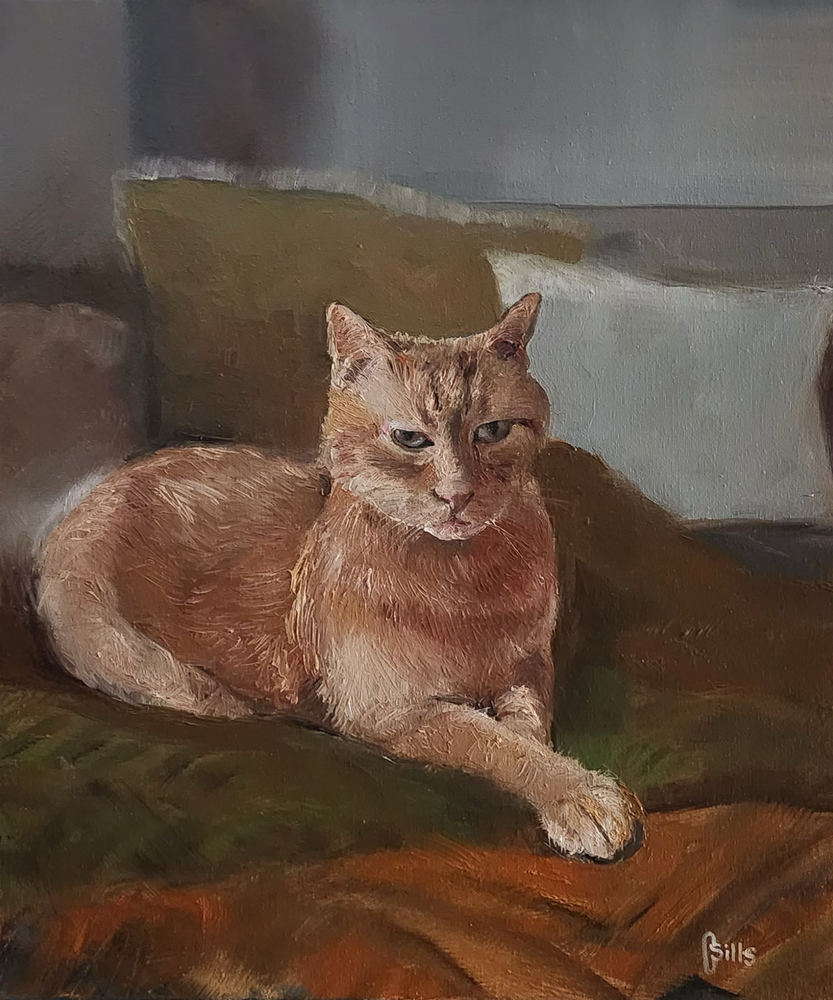
He was a rogue cat, with no name, fattened from the farmhouse and drunk daily on buttermilk he stole with professional timing. Names, he believed, were for before fame.
He sincerely believed he had once been a famous cat model in old Paris.
At dawn, when the barn was quiet and the mice were still deciding whether today was the day, the rogue cat sat on an overturned bucket and held court. He spoke to the hens. He spoke to the tractor. He spoke to his reflection in the water trough, whom he trusted implicitly. He told them about the boulevards, where the stones were warm and the nights smelled of rain, perfume, and poor decisions.
“In Paris,” he said, licking one paw with care, “I did not eat kibble. I lived on warm baguettes. Still breathing, those breads. I slept on them until they surrendered.”
He claimed he was photographed constantly. Always from the side. Always in forgiving light. His whiskers, he said, were once insured. He ate tossed mackerel from artists who loved him deeply and paid nothing on time. Bottles of wine fell when he passed, nudged by his tail, and no one blamed him. They clapped. Très bon, they said, as the red spread across the floor like a small, dramatic sunset.
By midmorning he demonstrated fencing, leaping fence ropes like a musketeer and ducking imaginary blades. He told the trough about alleyways strung with hanging sheets, about flying through laundry like flags of surrender. Sometimes he attempted a jump, clearing the fence wire with surprising grace for a cat shaped like comfort. He landed hard. Dignity survived. The hens did not believe him. The dog laughed once and was corrected.
By afternoon he slept in the hay, smelling of dust, summer, and buttermilk. His paws twitched as if walking narrow ledges above cafés. At supper he ate kibble without complaint. Fame, he knew, was temporary. But when the sun went down and the trough went still, Paris returned to his round face. He lifted his chin, saluted his reflection, and spoke softly.
“Ah, Paris.”
For a moment, the barn felt warmer.
He was a rogue cat, with no name, fattened from the farmhouse and drunk daily on buttermilk he stole with professional timing. Names, he believed, were for before fame.
He sincerely believed he had once been a famous cat model in old Paris.
At dawn, when the barn was quiet and the mice were still deciding whether today was the day, the rogue cat sat on an overturned bucket and held court. He spoke to the hens. He spoke to the tractor. He spoke to his reflection in the water trough, whom he trusted implicitly. He told them about the boulevards, where the stones were warm and the nights smelled of rain, perfume, and poor decisions.
“In Paris,” he said, licking one paw with care, “I did not eat kibble. I lived on warm baguettes. Still breathing, those breads. I slept on them until they surrendered.”
He claimed he was photographed constantly. Always from the side. Always in forgiving light. His whiskers, he said, were once insured. He ate tossed mackerel from artists who loved him deeply and paid nothing on time. Bottles of wine fell when he passed, nudged by his tail, and no one blamed him. They clapped. Très bon, they said, as the red spread across the floor like a small, dramatic sunset.
By midmorning he demonstrated fencing, leaping fence ropes like a musketeer and ducking imaginary blades. He told the trough about alleyways strung with hanging sheets, about flying through laundry like flags of surrender. Sometimes he attempted a jump, clearing the fence wire with surprising grace for a cat shaped like comfort. He landed hard. Dignity survived. The hens did not believe him. The dog laughed once and was corrected.
By afternoon he slept in the hay, smelling of dust, summer, and buttermilk. His paws twitched as if walking narrow ledges above cafés. At supper he ate kibble without complaint. Fame, he knew, was temporary. But when the sun went down and the trough went still, Paris returned to his round face. He lifted his chin, saluted his reflection, and spoke softly.
“Ah, Paris.”
For a moment, the barn felt warmer.
This is only visible to you because you are logged in and are authorized to manage this website. This message is not visible to other website visitors.
Click on any Image to continue

This means you can use the camera on your phone or tablet and superimpose any piece of art onto a wall inside of your home or business.
To use this feature, Just look for the "Live Preview AR" button when viewing any piece of art on this website!


This means you can use the camera on your phone or tablet and superimpose any piece of art onto a wall inside of your home or business.
To use this feature, Just look for the "Live Preview AR" button when viewing any piece of art on this website!
SAVE 20% ON YOUR FIRST ORDER!
Enter your email below and we'll email you a 20% OFF Coupon right now!
This offer is valid for NEW CUSTOMERS only!